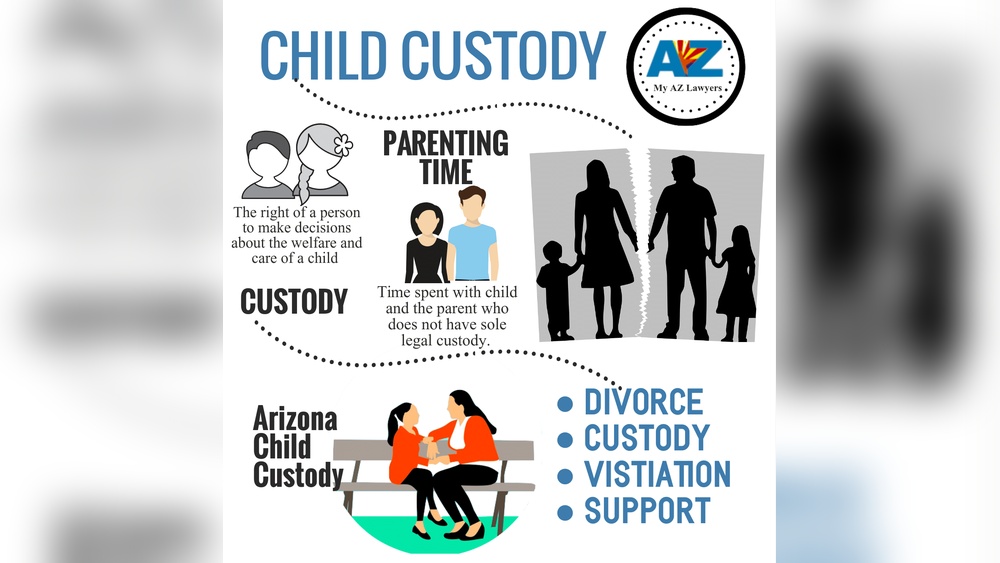
Navigating divorce and child custody is never easy, especially for families facing emotional stress and uncertainty. Choosing the right legal services can make the process smoother and protect everyone’s interests, especially children. If you’re searching for the best family legal services for divorce and child custody, this guide will help you understand your options, compare important features, and avoid common mistakes. Whether you want to know what to look for in a lawyer or how legal services differ, you’ll find practical advice and clear examples here.
What Makes A Family Legal Service “best”?
Not all legal services are equal, especially in family law. The best services offer:
- Expertise in divorce and child custody laws
- Clear, simple communication
- Fair pricing and transparency
- Support for emotional and practical needs
- Strong negotiation and mediation skills
Some legal services specialize in high-conflict cases, while others focus on peaceful solutions. It’s important to match your situation with the right service.
Types Of Family Legal Services
Family legal help comes in several forms. Here’s a quick overview:
- Private Family Law Firms: Usually offer experienced lawyers and personalized attention. Fees can be higher but service is tailored.
- Legal Aid Organizations: Provide free or low-cost help for families with limited income. Services may be limited, but are often helpful for basic cases.
- Online Legal Platforms: Useful for simple divorces or custody agreements. They offer guidance, document preparation, and sometimes lawyer access.
- Mediation Services: Help families negotiate and agree without going to court. Often less stressful and cheaper.
Choosing between these depends on your needs, budget, and situation complexity.

Credit: pacific-flf.com
Comparing Top Family Legal Services
To help you choose, see this comparison table of leading types:
| Service Type | Cost Range | Best For | Limitations |
|---|---|---|---|
| Private Law Firms | $200–$500/hr | Complex cases, high conflict | Expensive, may be intimidating |
| Legal Aid | Free–$100/hr | Low-income, basic issues | Limited scope, long wait times |
| Online Platforms | $200–$1,500/flat | Simple, uncontested cases | Not for complex disputes |
| Mediation | $100–$300/hr | Cooperative families | Needs both sides to agree |
Key Features To Look For
When choosing a family legal service, focus on these features:
- Specialization: Does the lawyer or service focus on divorce and child custody?
- Track Record: How many cases have they handled? What is their success rate?
- Communication: Are they easy to reach? Do they explain things simply?
- Support Services: Some offer counseling or referrals for extra support.
- Flexible Pricing: Look for clear fees, payment plans, or flat rates.
Here’s another table to help compare top firms by feature:
| Firm Name | Specialization | Communication | Pricing | Support Extras |
|---|---|---|---|---|
| Smith & Partners | Divorce, custody | High, direct | Hourly, flexible | Counseling, mediation |
| Legal Aid Society | Family law | Moderate, group | Free/low-cost | Community support |
| OnlineLegal.com | Divorce, agreements | Email/chat | Flat fee | Document help |
| Family Mediation Center | Mediation only | Personal, neutral | Hourly | Conflict coaching |
How To Choose The Right Service For Your Family
Selecting the best legal service depends on several factors:
- Case Complexity: If your divorce or custody fight is complicated, private lawyers or specialized firms are best. For simple, friendly cases, mediation or online platforms may be enough.
- Budget: Private law firms cost more. Legal aid and online platforms are affordable but may not handle tough cases. Always ask for a fee estimate before starting.
- Location: Some services only work in certain states. Make sure your service knows your local laws. Family law can vary widely by state.
- Personal Comfort: You need to feel comfortable with your lawyer or mediator. This helps you share details and trust their advice.
Non-obvious tip: Many people forget to check reviews or ask for references. Talking to past clients can show how a lawyer treats families, especially children.
Essential Steps In Divorce And Child Custody Cases
Understanding the basic process helps you prepare:
- Consultation: Meet the lawyer or service. Share your story and goals.
- Document Gathering: Collect marriage certificates, children’s birth records, income statements, property lists.
- Legal Filing: Your lawyer files divorce or custody papers in court.
- Negotiation/Mediation: Try to settle issues like child care, property, and support without fighting in court.
- Court Hearing: If you can’t agree, the judge decides.
- Final Order: The court issues a divorce or custody order.
Hidden insight: Many families skip mediation, thinking it’s only for friendly couples. But even high-conflict cases can benefit from mediation, saving money and reducing stress.
Common Mistakes And How To Avoid Them
Divorce and custody cases are emotional. It’s easy to make mistakes. Here are the most common ones:
- Not asking about fees upfront: Always request a written fee agreement. Some lawyers charge unexpected costs for calls or emails.
- Choosing the wrong type of service: A cheap online platform won’t help in a bitter custody fight.
- Ignoring local laws: Child custody rules are different in each state. Ask your lawyer about local details.
- Letting emotions control decisions: Try to focus on facts and your children’s needs, not anger or revenge.
- Missing deadlines: Courts have strict timelines. Missing a date can hurt your case.
Extra tip: Many parents forget to update their child’s school or doctor about custody changes. Always inform important parties after the order.
Data And Trends: Divorce And Custody In The Us
Divorce and custody cases are common in the US. Here are some key facts:
- The divorce rate is around 2.3 per 1,000 people (CDC data).
- About 40% of divorces involve children under 18.
- Joint custody is becoming more popular. Over 60% of US courts now encourage shared parenting.
- Mediation is used in more than 30% of family cases, helping reduce court time.
These numbers show why choosing the right legal help matters. Families benefit from clear guidance and support.

Credit: mymodernlaw.com
Real Examples: How Legal Services Help
Consider two families:
- Family A: Chose a private law firm for a complicated divorce. The lawyers helped with property, child support, and custody. They won full custody after showing the other parent was unsafe.
- Family B: Used an online platform for an uncontested divorce. They finished paperwork quickly, agreed on joint custody, and saved thousands in legal fees.
Both families got results by matching their needs with the right service. If you’re unsure, start with a consultation. Most legal services offer a first meeting for free or a low fee.
Mediation Vs. Litigation: Which Is Better?
Mediation and litigation are two main ways to solve family disputes. Here’s a quick comparison:
| Method | Cost | Time | Stress Level | Outcome Control |
|---|---|---|---|---|
| Mediation | Low–Medium | Weeks | Lower | High (family decides) |
| Litigation | High | Months–Years | Higher | Low (judge decides) |
Mediation works best when families can talk and compromise. Litigation is often needed for serious conflicts, abuse, or complex property issues.
Preparing For Your First Meeting
Before meeting a lawyer or legal service, prepare these items:
- List of questions and concerns
- All important documents (marriage, birth, financial)
- Summary of your goals (custody, property, support)
- Notes about past family issues (violence, addiction, etc.)
Helpful advice: Make a checklist for your meeting. This keeps you focused and helps the lawyer understand your needs.
Supporting Children During Divorce
Legal services can help children, too. Ask if your lawyer:
- Offers child counseling referrals
- Can help explain changes to your children
- Supports peaceful custody solutions
Remember, court fights can harm children emotionally. The best lawyers put kids first, aiming for solutions that reduce stress and protect their future.

Credit: www.weinbergerlawgroup.com
Useful Resources
For more information on family legal services, visit trusted sources like American Bar Association. You’ll find guides, lawyer directories, and support links.
Frequently Asked Questions
What Is The Difference Between Mediation And Litigation In Family Law?
Mediation is a process where families work with a neutral mediator to solve disputes. It is faster, cheaper, and less stressful. Litigation means going to court, where a judge decides. It’s more expensive and takes longer, but necessary for serious conflicts.
How Much Does A Family Lawyer Cost For Divorce And Custody?
Costs vary. Private lawyers charge $200–$500 per hour. Legal aid may be free or low-cost. Online platforms offer flat fees, usually $200–$1,500. Always ask for a fee estimate before hiring.
Can I Use Online Legal Services For Child Custody?
Yes, if your custody agreement is simple and both parents agree. For complex or high-conflict cases, in-person lawyers or mediators are better. Online services help with paperwork and basic advice.
What Documents Do I Need For A Divorce Or Custody Case?
Bring marriage certificates, children’s birth records, financial statements, property lists, and any evidence of problems (like emails or police reports). Having these ready saves time and helps your lawyer.
How Do I Find The Best Family Legal Service In My Area?
Search local directories, ask friends for referrals, and check reviews online. Visit trusted sites like Avvo for lawyer ratings and background information. Always meet for a consultation before deciding.
Making the right choice about family legal services can change your life—and your children’s. Take your time, ask questions, and match your needs with the right expert. Remember, good legal help is about more than winning; it’s about protecting your family’s well-being for years to come.
Read More:
- Best Car Insurance Companies 2026: Top Picks for Savings
- Small Business Insurance Solutions: Protect Your Business Today
- Travel Insurance for International Trips: Essential Guide for 2024
- Affordable Health Insurance for Families: Save More, Worry Less
- Cheap Auto Insurance Online: Save Big With These Expert Tips
- Homeowners Insurance Comparison Guide: Find the Best Policy Fast
- High-Risk Auto Insurance Providers: Top Companies Compared
- Business Liability Insurance Coverage: Essential Protection Guide